



Handyman Insurance from Massachusetts Professionals
Handymen take on a wide range of jobs, from repairs and maintenance to small remodeling projects and property improvements. Because every job can bring different tools, materials, customers, and job-site conditions, having the right insurance in place can be an important part of running a handyman business. Flavin & Flavin helps Massachusetts contractors explore insurance options suited to the work they perform.
Whether you operate independently or have employees, Handyman Insurance may provide a combination of coverages designed around common business risks. Your insurance needs can vary based on the services you offer, equipment you use, vehicles you operate, and contracts you accept. An experienced insurance professional can help you review these factors and identify options that fit your business.
What Is Handyman Insurance?
Handyman Insurance is generally designed for contractors who perform a variety of repair, maintenance, installation, and improvement services. Since handyman businesses can take on many different types of projects, their insurance needs may differ from those of contractors specializing in one trade. A policy can be structured around the particular work your business performs and the risks associated with those services.
Depending on the policy and business circumstances, coverage may include general liability, commercial property, tools and equipment, commercial auto, and workers’ compensation. Some contractors may also need additional protection based on contractual requirements or specialized services.
Flavin & Flavin works with businesses to help them understand available options and consider coverage that corresponds with their day-to-day operations. Reviewing your policy regularly can also be useful as your services, equipment, employees, or business locations change.
Get a free quote
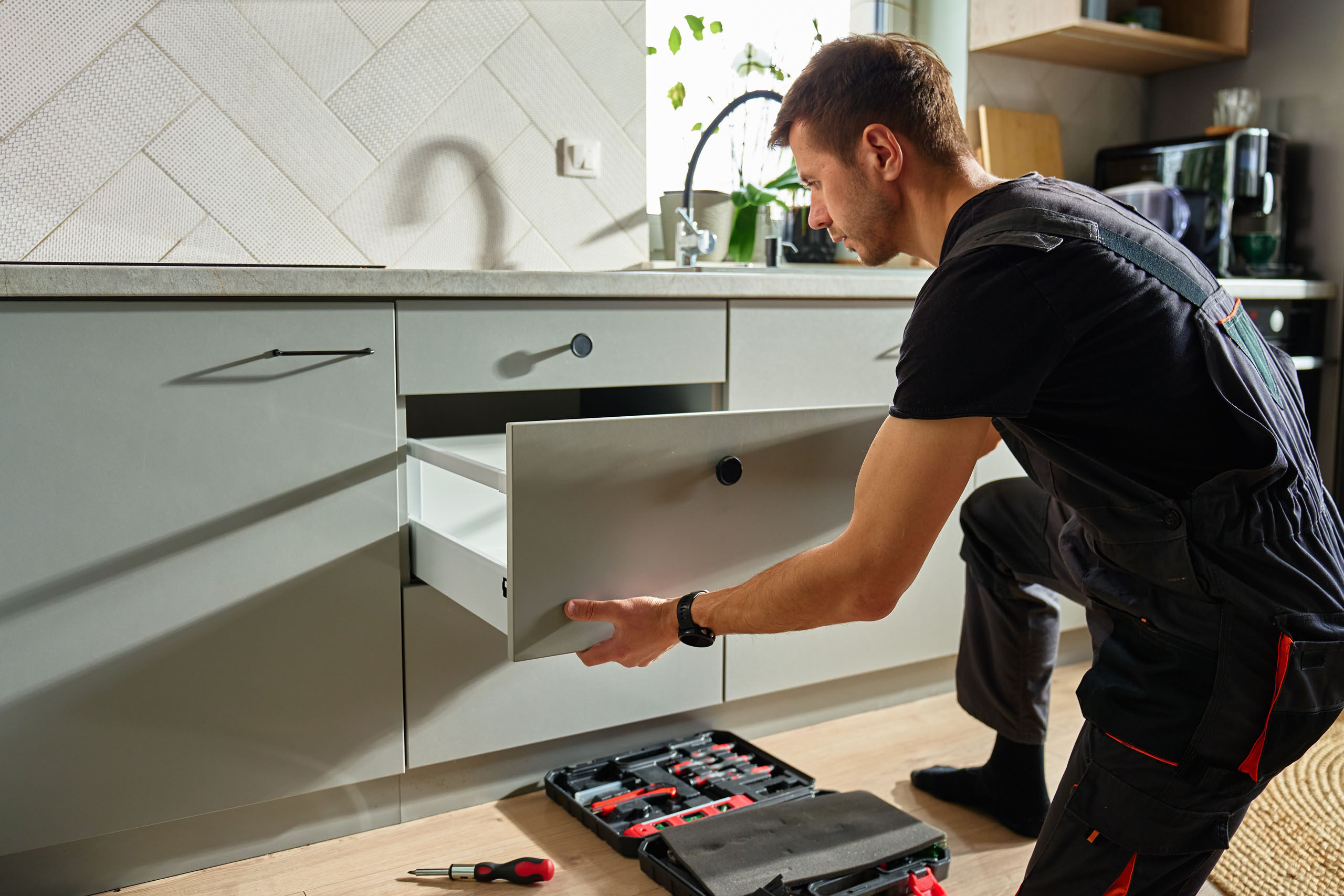
Why Do Handymen in Massachusetts Need Business Insurance?
Handyman work can involve entering customers’ homes and businesses, using power tools, handling materials, working at heights, and making repairs to existing property. Even with careful planning, unexpected incidents can occur. A customer or another person could be injured at a job site, or property could be accidentally damaged while work is underway.
Insurance may provide financial protection for certain covered claims, subject to the terms, conditions, exclusions, and limits of the policy. It can also be relevant when customers, property managers, general contractors, or other parties request proof of insurance before work begins.
For a small business owner, having appropriate coverage may also make it easier to meet contractual requirements and demonstrate that the business takes risk management seriously. The right insurance program depends on the individual operation, so it is important to consider the type of work performed rather than relying on a one-size-fits-all approach.
What Does Handyman Insurance Typically Include?
Coverage for a handyman business can vary considerably depending on its operations and the policies selected. General liability is commonly considered because handyman work takes place around customers, their property, and other people. Other types of insurance may also be relevant depending on the business.
Potential coverage options may include:
- General Liability Insurance: May address certain third-party bodily injury or property damage claims, subject to policy terms.
- Commercial Property Insurance: May cover eligible business property at a covered location against certain covered causes of loss.
- Tools and Equipment: May provide coverage for qualifying tools and equipment, depending on the policy.
- Commercial Auto Insurance: May be appropriate for vehicles used primarily for business activities.
- Workers’ Compensation: May apply when a business has employees, subject to Massachusetts requirements and applicable circumstances.
Not every handyman needs every type of coverage. A contractor who works alone from a personal vehicle may have different needs than a company with employees, multiple vehicles, and a shop. Flavin & Flavin can help you review your operations and available insurance options.
How Can Handyman Insurance Address Job-Site Risks?
Handyman projects can vary from replacing fixtures and repairing drywall to installing cabinets, performing maintenance, or completing small renovation tasks. Each project may introduce different exposures. For example, a repair could unintentionally damage a customer’s property, while a visitor could be injured around an active work area.
Handyman Insurance may be structured to account for these types of business exposures. General liability coverage may be particularly relevant for claims involving third-party injuries or property damage, although coverage depends on the specific policy.
Contractors should also consider the value of their tools, equipment, materials, and business property. Theft, accidental damage, or other unexpected events may create expenses that affect business operations. Reviewing these exposures with an insurance professional can help identify areas that may warrant attention.
Because no two handyman businesses operate exactly alike, coverage should reflect the actual services, locations, equipment, employees, and customers involved.
What Factors Affect The Cost Of Handyman Insurance in Massachusetts?
The cost of Handyman Insurance can vary based on several characteristics of the business and the coverage selected. Insurers may consider the types of services performed, annual revenue, payroll, claims history, number of employees, equipment, vehicles, and other factors when determining pricing and eligibility.
The scope of your work can be especially important. A handyman performing basic maintenance may have different insurance considerations from a contractor regularly performing larger remodeling projects or specialized installations. The locations where work is performed and the types of customers served may also affect the insurance program.
Other factors may include:
- Business Experience: The length of time the business has operated may be considered during underwriting.
- Coverage Limits: Higher limits or broader coverage can affect premium costs.
- Claims History: Previous losses may influence eligibility and pricing.
- Employees: Payroll and employee-related exposures can affect applicable coverage and premiums.
- Vehicles And Equipment: Business vehicles and specialized equipment may require additional insurance.
Discussing these details with Flavin & Flavin can help you better understand the factors that may influence your options.
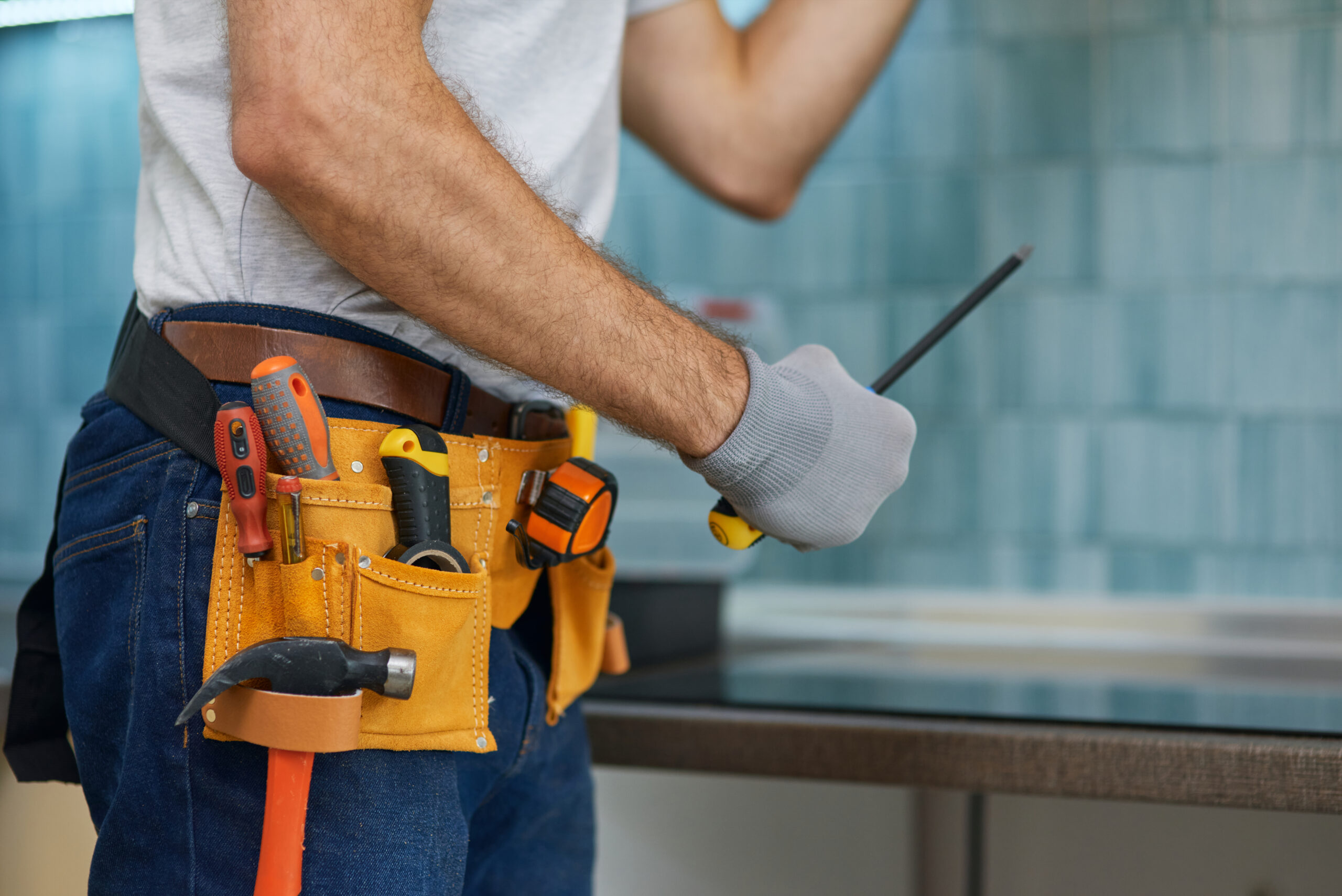
How Can Flavin & Flavin Help With Handyman Insurance in Massachusetts?
Choosing insurance for a handyman business involves more than selecting a policy based on the job title alone. The services you provide, how you operate, and the contracts you accept can all influence your insurance needs. Flavin & Flavin can help you review these details and explore coverage options appropriate for your business.
Whether you are an independent handyman or operate a growing contracting company, your insurance program may need to change as your business develops. Adding employees, purchasing a vehicle, taking on larger projects, or expanding your services can all affect your coverage needs.
Flavin & Flavin can help you evaluate your current insurance and identify potential gaps or areas that may need adjustment. Contact Flavin & Flavin today to discuss Handyman Insurance in Massachusetts and explore options for your business.